Watercolor Seafood Embroidery Design Review
If you're an embroidery designer or a creative entrepreneur who's always on the hunt for unique, high-quality machine embroidery designs, you've probably come across Watercolor Seafood. At first glance, it’s clear that this design is not just another illustration—it has personality, depth, and a certain charm that makes it stand out in the world of digital embroidery files. But how does it hold up when put to real use? Let’s break it down from a practical standpoint.
Aesthetic First Impressions: Mood and Visual Personality
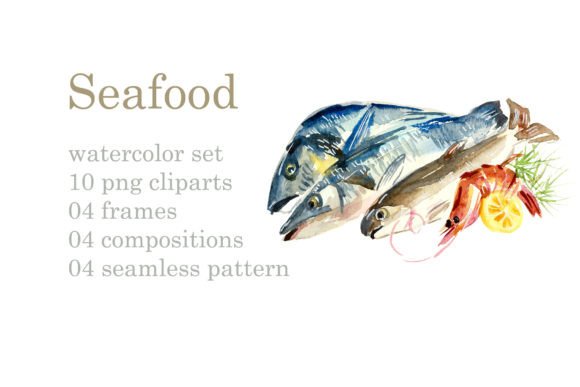
The Watercolor Seafood design brings a soft, artistic vibe to any project. It features beautifully blended textures and a whimsical, hand-painted look with gentle shading and flowing lines. The theme includes various seafood elements like fish, shrimp, clams, and maybe even some seaweed or coral—depending on the version you get. This gives it a versatile visual language that can be playful or elegant depending on the context.
What I appreciate most about this design is its balance between detail and simplicity. It doesn’t overwhelm the eye but still offers enough character to make your handmade product feel thoughtful and crafted. The layout feels intentional, with negative space used effectively so the design doesn’t crowd the fabric. For someone looking to add a touch of ocean-inspired artistry to their work, this is a solid choice.
Where It Naturally Fits
- Tote bag design: The softness of the watercolor style complements canvas or linen tote bags perfectly, especially if they’re being marketed as eco-friendly or artisanal.
- Sweatshirt embroidery: Its subtle tones won’t compete with the cozy texture of sweatshirts and can add a personal touch to custom apparel.
- Baby items: If stylized gently, the design could be adapted for baby clothes or nursery decor, offering a cute, thematic look without being too literal.
- Pillow covers and tea towels: These are ideal for showcasing the delicate nature of the illustrations. They allow for larger hoop sizes and smoother stitching surfaces.
Real-World Performance: What Works and What Doesn’t
Let’s imagine we’re preparing a custom embroidered tote bag for a boutique line of beach-themed products. The Watercolor Seafood design is selected for its aesthetic appeal. But before jumping into production, there are a few things worth considering.
Strengths in Stitching
This design handles well on mid-weight cotton blends and quilting cotton. The stitch density is moderate, which means it’s forgiving on a range of fabrics and machines. The use of multiple thread colors adds dimension, and the blend of satin stitch and fill stitch ensures that the artwork remains intact and visually balanced after stitching.
For commercial embroidery projects, the file structure is clean and organized, making it easy to adjust for different placements and scales. When printed as a printable mockup, the design looks great in both color and black-and-white, giving Etsy sellers and small shop owners flexibility in presenting their digital product previews.
When to Proceed with Caution
- Small hoop sizes: The design has enough detail that it may become lost or distorted if scaled down too much. Test it at minimum size before committing to tiny patches or caps.
- Stretchy or thin fabric: Due to the blend of stitches, especially in dense areas, the design might pucker or distort slightly on stretchier materials like knits or jerseys. A proper stabilizer is essential here.
- Dark fabric backgrounds: While the thread colors are vibrant, some details may lose visibility against darker bases. Always check contrast on your chosen fabric.
- Textured or layered garments: If you're embroidering over a patch or onto a denim jacket, the texture can interfere with stitch clarity. You’ll need to adjust tension settings and possibly rework some parts for optimal results.
Design Notes for Practical Use
Before using Watercolor Seafood in a client project or for your own craft business, take these steps:
- Test the design on scrap fabric first, especially if you plan to scale it significantly.
- Review thread color contrast and ensure it aligns with your brand or product’s overall look.
- Inspect small details like fins or claws—these may require adjustments in stitch direction or spacing to avoid distortion.
- Confirm hoop size requirements and whether the file will fit within your machine’s limitations.
- Use appropriate stabilizer to prevent puckering, especially on lightweight or stretchy materials.
- Check licensing terms if you plan to sell finished products or digital embroidery files—this is crucial for Etsy sellers and small shop merchandise creators.
Testing for Longevity
One thing I always test is how the design holds up after washing. Since it’s meant for items like aprons, tea towels, or holiday gifts, durability matters. So far, my tests have shown good resilience, but I recommend reinforcing running stitch outlines or adding a bit more coverage in fill areas for frequent-use items.
Customer Appeal and Brand Value
In today’s market, customers are drawn to products that feel personal and unique. The Watercolor Seafood design taps into that by offering an artistic, bespoke look that fits well in niche markets like coastal boutiques, personalized gifts, or handmade home goods.
As an embroidery project, it enhances the product value subtly. It doesn’t scream “I’m fancy,” but it does whisper “thoughtfully made.” That kind of presentation builds customer trust and elevates the perceived quality of your handmade product, whether it’s a custom sweatshirt or a personalized gift.
Giftability and Recognition
For holiday embroidery or wedding gifts, the design works beautifully. Its artistic flair makes it instantly recognizable and memorable. Customers love knowing they received something one-of-a-kind, and this design helps set your finished product apart from mass-produced options.
On the other hand, if you're aiming for a minimalist or modern look, this design might be too busy. But for those targeting a cozy, nostalgic, or romantic vibe, it hits all the right notes.
Professional Insights for Designers and Sellers
As an experienced reviewer, I’ve seen many embroidery designs fail due to poor scaling or inadequate testing. Watercolor Seafood avoids most of these pitfalls, but it’s still important to treat it like any professional embroidery file. Here are a few final tips:
- Compare the design on both light and dark fabric to see how it adapts. Some versions might offer better visibility than others.
- Use black and white mockups to evaluate how the design would appear under monochrome lighting or if thread colors change due to availability.
- Always verify if the design is suitable for commercial use. Licensing restrictions can vary widely, and you don’t want to run into legal issues later.
- Consider how it integrates with your existing design assets. Does it match your brand’s style? Can it be paired with other illustrations for a cohesive collection?
Handmade Presentation Tips
To really bring out the best in Watercolor Seafood, pair it with complementary colors and natural fabrics. Think linen, organic cotton, or even hemp blends for a rustic, artisanal feel. Avoid placing it in corners or tight spaces where the details might get cut off or stretched. And remember, sometimes less is more—let the design breathe by giving it adequate spacing from other elements.
Final Thoughts
Watercolor Seafood is a standout option for anyone looking to add a touch of elegance and creativity to their embroidery projects. It’s particularly well-suited for custom apparel, tote bag design, and nursery decor. However, like any detailed illustration, it requires careful consideration of fabric type, hoop size, and stitch management to perform at its best.
If you’re an embroidery designer or part of a craft business, this design can help elevate your offerings and create stronger buyer engagement. Just make sure to do your homework—check compatibility, test on actual fabric, and confirm licensing. With the right preparation, Watercolor Seafood can become a valuable addition to your portfolio or product lineup.