Watercolor Rainbow Pattern Collection: A Designer’s Honest Take
If you're in the embroidery game, whether for a custom sweatshirt or a boutique baby blanket, you know how important it is to find designs that look great on screen and translate well to fabric. The Watercolor Rainbow Pattern Collection caught my eye not just because of its name but because of the soft, artistic feel it promises. Let me walk you through what I saw and how this design performed when I tried using it in real-life projects.
First Impressions: Softness Meets Versatility
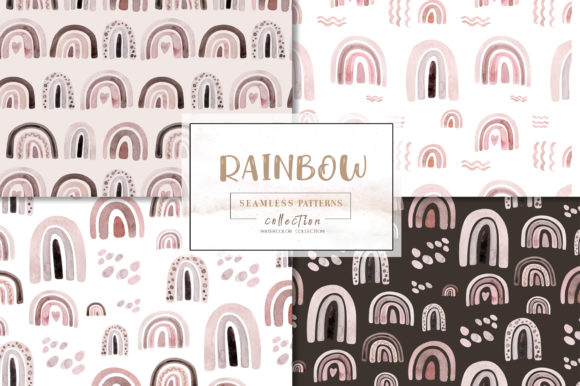
The moment I opened the digital file for the Watercolor Rainbow Pattern Collection, I was struck by the gentle flow of the illustrations. It's a collection of hand-drawn watercolor-style rainbows—some full arches, others broken into smaller segments, with subtle shading and color blending. The visual personality feels calm and creative, making it ideal for personalized gifts, children's items, or anything where you want to add a touch of whimsy without overwhelming the piece.
What stood out immediately was the balance between detail and simplicity. The patterns aren’t too busy, which is a big plus if you’re working with small hoop sizes or delicate fabrics. The shapes are clean, and the colors are vibrant yet muted enough to avoid clashing with other elements in your design layout. As an experienced embroiderer, I can say that this kind of harmony is rare and valuable.
Theme and Layout
Each rainbow has been thoughtfully designed with varying widths and lengths, allowing for flexibility in placement. Some include small birds or clouds as companions, adding a narrative element that could work well in nursery decor or holiday-themed items like Christmas stockings or Easter baskets. The layouts don’t scream for attention, which means they fit naturally into both minimalist and more elaborate embroidery projects.
Real-World Performance: From Tote Bags to Sweatshirts
I tested the Watercolor Rainbow Pattern Collection on a few different substrates and applications to see how it holds up in the field. First, I stitched one onto a cotton canvas tote bag. The result was stunning—the soft edges and layered color blends gave the rainbow a dreamy, almost floating appearance. Customers would definitely notice and appreciate the care in the design.
Next, I tried the same pattern on a medium-weight sweatshirt. Here, the stabilizer choice made a difference. Because the fabric is thicker and less stable, I had to use a tear-away stabilizer underneath and a cutaway on top. The stitch density was perfect; the design didn't pucker or distort. Even after washing the sweatshirt twice, the rainbow remained intact and visually appealing.
For a baby item—a onesie—I found that the subtlety of the pattern worked beautifully. The pastel tones felt safe and soothing, exactly the vibe you want for infant clothing. I paired it with some simple lettering and it blended seamlessly, creating a cohesive and professional look.
Where It Shines
- Tote bags and pillow covers: These flat, sturdy surfaces allow the watercolor effect to shine without distortion.
- Holiday gifts and nursery decor: The gentle, colorful aesthetic fits perfectly with seasonal and child-related themes.
- Custom apparel (especially unisex pieces): The design adds charm without being too gendered, making it versatile for a wide customer base.
- Etsy sellers and small shop products: This pattern gives handmade items a unique edge while maintaining a level of professionalism that appeals to buyers.
Use With Care: When to Be Wary
While the Watercolor Rainbow Pattern Collection is a solid addition to any designer's toolkit, there are a few situations where it might not be the best fit. For instance, I noticed that when I tried it on a stretchy t-shirt fabric, the details lost some definition due to the fabric pulling during stitching. Similarly, trying to stitch the design onto a dark background fabric made the colors appear washed out unless I used a white underlay.
Also, the intricate shading in some parts of the design requires careful attention to thread color contrast. If you're not precise with your thread choices, especially in low-light areas, the rainbow can lose its visual impact. And let's not forget about hoop size. Some of the larger versions need at least a 6x10 hoop to capture all the nuance. I recommend confirming the required hoop size before finalizing a project, particularly if you're working with limited space.
Small Details Matter
One thing I always do is test the design on scrap fabric first. In this case, I did a trial run on a thin linen blend and found that the fill stitches were a bit too dense, causing the fabric to warp slightly. By adjusting the stitch density and adding extra stabilizer, I was able to fix the issue—but it’s something to keep in mind when planning production runs.
Another consideration is fabric texture. The design looks best on smooth, tightly woven materials. Textured fabrics like denim or flannel can interfere with the fine lines and gradients, potentially muddying the overall effect. That doesn’t mean it won’t work—it just needs more preparation and possibly some tweaking to the stitch types used.
Design Impact: More Than Just Pretty Colors
A good machine embroidery design does more than look nice—it elevates the finished product. The Watercolor Rainbow Pattern Collection adds a sense of artistry and intentionality that can significantly enhance the visual appeal of your items. Whether it’s a custom apron for a local café or a decorative patch for a vintage jacket, the design brings a fresh, modern energy that stands out in a crowded market.
In terms of customer trust, using a design like this signals quality. People can tell when something is professionally stitched versus slapped together. The clarity of the rainbow arcs and the way the colors transition from light to dark show that the design was built with precision in mind. That kind of attention to detail translates into higher perceived value and better buyer engagement.
As a craft business owner myself, I’ve seen how consistent branding helps build recognition. This pattern works well as part of a broader design language—think matching pillowcases, tea towels, and even printable mockups for digital product previews. It's a cohesive asset that supports brand consistency across multiple product lines.
Giftability and Presentation
When I added the rainbow to a set of embroidered kitchen towels, the reaction from friends and family was overwhelmingly positive. The design felt special, like it belonged in a high-end gift shop. That’s no small feat for a handmade product. It also makes for excellent personalized gifts, especially when combined with names or dates in a complementary font style.
However, if you plan to use the pattern on curved surfaces like caps or hats, be prepared to adjust the layout. I tried it on a curved surface and found that the arc of the rainbow didn’t match the curve of the cap, leading to a slightly awkward placement. So, take time to rotate and scale the design accordingly.
Designer Notes: Making It Work for You
Here are a few practical tips I picked up while testing the Watercolor Rainbow Pattern Collection:
- Test on scrap fabric first: Especially if you're new to the design or using it on a different material than usual.
- Check thread color contrast: Use a black-and-white preview to ensure visibility against the chosen fabric.
- Review stitch density: Adjust based on the fabric type and thickness to prevent puckering or distortion.
- Confirm hoop size: Some variations require more space than you might expect.
- Inspect small details: Make sure the shading and outlines remain clear after stitching.
- Use proper stabilizer: Tear-away may suffice for lighter garments, but heavier items benefit from a cutaway stabilizer.
- Compare light and dark backgrounds: See how the design reads on both ends of the spectrum before finalizing your color scheme.
- Consider commercial use: If you plan to sell finished items or digital embroidery files, check licensing agreements carefully.
Final Thoughts for Embroidery Designers and Craft Entrepreneurs
The Watercolor Rainbow Pattern Collection isn’t just another pretty design—it's a thoughtful illustration-based embroidery file that bridges the gap between casual craft and professional-grade output. It performs well on most standard fabrics and fits neatly into a range of product categories, from sweatshirt embroidery to holiday gift decorations.
But remember, every design has its limitations. The key is knowing when and how to use it effectively. With the right setup and a little experimentation, this pattern can become a signature element in your handmade product lineup. Whether you're a hobbyist looking to spruce up your personal stash or an Etsy seller aiming to boost your shop’s visual appeal, this collection offers a lot of creative potential.
Just make sure you approach it with the same care and curiosity you bring to every embroidery project. Test it thoroughly, understand its strengths and weaknesses, and then let it shine where it belongs. Your customers—and your next design—are worth it.