Watercolor Rainbow Doodle Design Element Review
As an embroidery designer who’s worked on countless projects for clients, craft fairs, and boutique lines, I always approach a new machine embroidery design with a mix of curiosity and caution. The Watercolor Rainbow Doodle Design Element caught my eye for its soft, whimsical feel—perfect for adding a touch of joy to handmade products. But before recommending it for real-world use, I wanted to see how it performed in actual stitching scenarios.
A First Look: Mood and Visual Personality
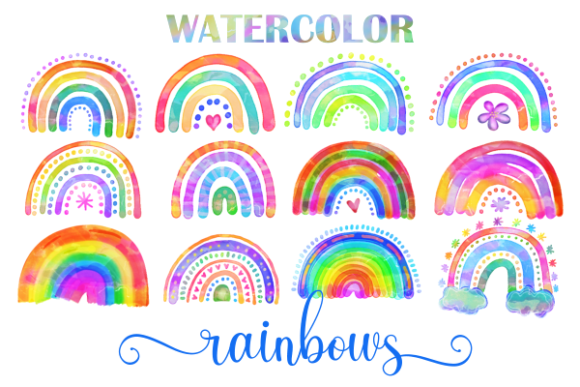
The moment I opened the embroidery file, I was struck by the gentle, organic flow of the Watercolor Rainbow Doodle Design Element. It feels like something you’d sketch while daydreaming at your desk or doodling during a coffee break. The color transitions are subtle, almost watercolor-like, which gives the piece a relaxed and artistic vibe. This is not a bold, graphic design—it's more about mood than message.
Its layout is balanced but loose, which makes it ideal for custom apparel, especially items that need a personal or emotional touch. Think baby clothes, holiday gifts, or personalized tote bags. The shape isn’t rigid, so it adapts well to curved or uneven surfaces, though there are limits we’ll discuss later.
What Kind of Project Fits Best?
I decided to test this design on a custom embroidered sweatshirt as part of a small shop product line. The rainbow arcs gracefully across the chest area, blending with the garment’s texture without overpowering it. The visual personality felt warm and inviting—just what a boutique customer might expect from a handmade product.
But beyond aesthetics, I considered how customers would react. Would they find it charming or too “childish”? In this case, the answer leaned toward charm. The doodle style softened the rainbow’s usual vibrancy, making it appealing to a broader audience—especially those looking for something unique yet understated in their personalized gift selections.
Real-Life Embroidery Performance
When I stitched the Watercolor Rainbow Doodle Design Element onto a cotton-poly blend sweatshirt using standard thread colors, the result was surprisingly clean. The stitch density wasn’t too tight, which helped preserve the fabric’s breathability and prevented puckering. However, I noticed that the fine details in the cloud shapes needed a bit more attention when inspecting the finished product under light.
- Tote bag design: Works beautifully on medium-weight canvas. The softness of the design complements the casual nature of a tote.
- Sweatshirt embroidery: Adds a playful touch without being overwhelming. Best placed centrally or off to the side.
- Baby embroidery: A hit! The pastel tones and gentle curves fit perfectly into nursery decor or infant clothing.
- Embroidered patch: Could be used as a decorative accent on backpacks or denim jackets, especially if paired with minimal text.
- Tea towels & aprons: Offers a nice contrast against white or light-colored fabrics, enhancing the visual appeal of kitchenware.
- Holiday gifts: Ideal for creating festive yet elegant items like pillows or greeting cards.
One thing that stood out was how versatile the design can be depending on the thread colors chosen. While the default palette is soft and dreamy, swapping to bolder hues could give it a completely different identity—more vibrant for commercial embroidery or subdued for minimalist home décor.
Where to Use with Care
Despite its charm, the Watercolor Rainbow Doodle Design Element has some limitations. Here are the areas where I recommend extra caution:
- Small hoop sizes: The design contains several delicate elements that may get lost or distorted if scaled down too much.
- Textured fabrics: Stitch clarity diminishes on materials like flannel or denim, especially if no stabilizer is used.
- Thin or stretchy fabric: The design needs proper support. Without the right stabilizer, the rainbow might lose its shape after washing.
- Dark fabric backgrounds: Thread contrast is key here. On darker bases, the pastel tones won’t stand out unless you adjust the color scheme.
- Curved surfaces: Embroidering it on a cap or other round item requires careful placement and possibly seam adjustments.
- Dense stitch areas: If combining with other intricate designs, ensure the overall layout doesn’t become too busy.
For Etsy sellers or small shop product creators, these considerations are vital. You want your finished product to look professional and polished—not compromised due to improper application.
Designer Notes for Practical Application
Before using the Watercolor Rainbow Doodle Design Element in production, I suggest running through these steps:
- Test on scrap fabric: Especially important for textured or stretchy materials.
- Check thread color contrast: Make sure the rainbow remains visible on your chosen base fabric.
- Review stitch density: Adjust if needed to avoid puckering or distortion.
- Confirm hoop size: Some elements may require a minimum hoop size to maintain integrity.
- Inspect small details: Zoom in on the digital file to ensure all nuances will translate well in stitching.
- Try black and white mockups: Helps evaluate how the design will look in grayscale or on monochrome garments.
- Use proper stabilizer: Especially crucial for thin or dark fabrics to keep the design crisp after washing.
- Check licensing: If you're planning to sell finished items or digital design assets, confirm whether the file allows commercial use.
Customer Perception and Brand Value
In today’s market, customers are drawn to designs that feel authentic and intentional. The Watercolor Rainbow Doodle Design Element brings a hand-drawn warmth to any project, which can significantly enhance the handmade presentation of your work. For a craft business or small shop product, this kind of detail helps build customer trust and adds perceived value.
However, the design’s aesthetic leans toward the whimsical. If your brand identity is more structured or modern, consider how this element fits into your overall brand consistency. That said, many creative entrepreneurs thrive on just this kind of expressive design, and it can boost buyer engagement in Etsy listings or local craft fair displays.
Giftability and Recognition
One of the strongest aspects of this design is its giftability. Whether you’re embroidering a pillow cover for a birthday or a tea towel for a wedding, the Watercolor Rainbow Doodle Design Element adds a memorable touch. Its soft, flowing lines make it instantly recognizable as a thoughtful, handcrafted addition rather than mass-produced decoration.
It also works well in printable mockups for digital product previews. As a digital embroidery file, it offers enough character to stand out but stays subtle enough not to clash with other design elements.
Final Thoughts for Real Projects
Overall, the Watercolor Rainbow Doodle Design Element is a solid choice for embroidery projects that aim to evoke emotion and creativity. It’s not a one-size-fits-all solution, but with the right preparation and context, it can elevate everything from a custom apparel line to a curated set of holiday gifts.
As a reviewer, I appreciate its adaptability and the way it maintains a sense of artistry even after stitching. Just remember to tailor its use to the right fabric, scale, and purpose. And always—always—check the licensing terms if you plan to sell or distribute the final product.
If you're an embroidery designer, apparel decorator, or creative entrepreneur looking for a fresh, versatile illustration to add to your collection, this design is worth considering. Just take the time to understand its strengths and limitations in your specific workflow. After all, the best embroidery files aren’t just beautiful—they’re practical, too.