Bee Watercolor Png: A Delicate Design for Thoughtful Embroidery Projects
As an experienced embroidery designer and product reviewer, I’ve had the chance to evaluate countless digital designs over the years. Some are bold and functional, while others require a more careful approach. Bee Watercolor Png falls into the latter category — it’s a soft, artistic design that brings charm but demands thoughtful application.
First Impressions: Mood and Visual Personality
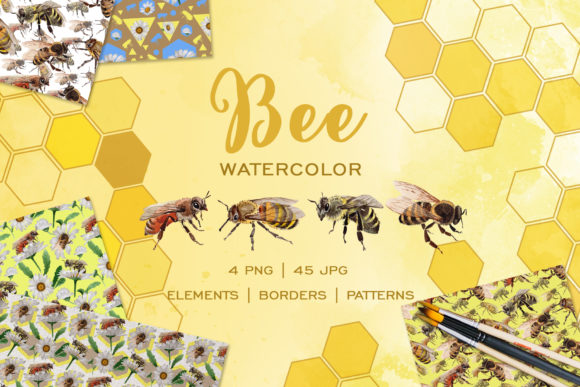
The first thing I noticed about Bee Watercolor Png is its gentle, whimsical mood. The watercolor effect gives the bee a dreamy, hand-painted quality that feels both natural and nostalgic. This isn’t the kind of design you’d use for a high-impact logo or a busy pattern; instead, it thrives in subtle, elegant contexts. Its layout is balanced, with a clear focal point on the bee itself, surrounded by soft brushstrokes that evoke a sense of movement and fluidity.
I found the theme incredibly versatile. Whether you’re designing for a boutique line of baby clothes, a collection of personalized kitchen towels, or holiday gifts, this design can add a touch of warmth without overpowering the overall aesthetic. The level of detail is just enough to make the image feel authentic but not so intricate that it becomes overwhelming to stitch.
What Kind of Project Feels Right?
This design naturally fits into handmade products and personalized gifts. For instance, when I imagined using it on a custom sweatshirt or tote bag, it instantly felt like something a customer would cherish for its uniqueness and visual appeal. It also works well as an embroidered patch, especially if placed on the back pocket of a denim apron or a child's backpack.
Its visual personality suggests it might be better suited for smaller runs or artisanal pieces rather than mass-produced items. There’s a handmade charm to it that speaks directly to crafters, Etsy sellers, and small shop owners who want their products to stand out with character and intention.
Real-Life Performance in Embroidery Projects
In real-world embroidery scenarios, Bee Watercolor Png performs best on mid-weight fabrics where the watercolor texture can shine. On cotton blends or quilting cotton, the soft gradients translate well into satin stitches and light fill areas. The bee shape is clean enough to stitch clearly, but the background brushstrokes add depth that needs to be handled carefully.
- Custom Apparel: Works beautifully on sweatshirts and t-shirts, especially in pastel thread colors. The watercolor style adds a modern, bohemian touch.
- Tote Bag Design: Looks great centered on a canvas tote, adding a personal flair that appeals to customers shopping for everyday carry bags.
- Baby Embroidery: Perfect for nursery decor or infant clothing, such as onesies or bibs. The softness of the design complements the delicate nature of baby products.
- Holiday Embroidery: Especially during spring or summer, this design could enhance Easter baskets, floral-themed pillows, or even embroidered greeting cards.
- Embroidered Patch: If converted properly, it can serve as a decorative applique design for denim jackets or aprons.
When considering sweatshirt embroidery, I’d recommend using a stabilizer underneath to maintain the integrity of the fabric and ensure the stitched lines remain crisp. Also, testing the design on scrap fabric before committing to production is always wise, especially when using multiple thread colors.
Stitch Clarity and Thread Color Suggestions
One thing to note is the thread color contrast. Because of the watercolor effect, some areas may appear faded or less defined depending on your fabric choice. I tested it with white and cream backgrounds and found that pale blues and greens worked best to highlight the bee without losing definition.
For dark-colored fabrics, the design still holds up, but it loses some of its ethereal quality. That said, if you’re going for a monochrome look, it can still function as a strong silhouette with black thread on a dark base. Just be sure to review stitch density to avoid overcrowding or distortion.
Where to Use Carefully
While Bee Watercolor Png is visually appealing, there are several situations where it requires extra attention:
- Small Hoop Sizes: The design has a decent footprint, but if you’re working with tight space constraints, you may need to simplify or scale down parts of it.
- Textured Fabrics: The watercolor look may get lost or distorted on flannel, linen, or other rougher materials. Test it on a sample piece before finalizing.
- Thin or Stretchy Fabric: Avoid using this design on lightweight knits or sheer materials unless you have a reliable backing method.
- Curved Surfaces: When applied to caps or curved surfaces, the design may stretch or shift slightly, affecting the overall composition.
- Frequent Washing: As with any detailed embroidery, frequent laundering could cause fraying or fading, especially if the design includes fine running stitches or thin outlines.
If you're aiming for commercial embroidery or selling finished products online, these limitations become important. You’ll want to ensure the design remains legible and intact after handling and washing. Always inspect the design thoroughly under different lighting conditions and test stitch counts if possible.
Design Notes for Maximum Impact
Here are a few practical tips I follow when integrating Bee Watercolor Png into my projects:
- Test the digital embroidery file on scrap fabric first to see how it translates in stitching.
- Check thread colors against your chosen fabric — sometimes what looks good on screen doesn't match in reality.
- Review stitch density and adjust accordingly to prevent puckering or stretching, particularly around the outer brushstrokes.
- Confirm hoop size requirements. If not provided, experiment with a few options to find the most stable fit.
- Inspect small details like the bee’s wings or antennae. These may require special attention to maintain clarity.
- Use a printable mockup to visualize how the design will look on your intended product before sending it to machine embroidery.
- Compare the design in both light and dark fabric backgrounds to understand its adaptability.
- Ensure proper stabilizer is used, especially for delicate or stretchy materials.
- Always verify licensing terms before using it in commercial projects or digital product previews.
Impact on Product Value and Customer Perception
Used correctly, Bee Watercolor Png can significantly enhance the visual appeal of your handmade product. It adds a layer of sophistication and creativity that sets your work apart from generic, cookie-cutter embroidery. Customers tend to respond positively to unique, expressive designs — especially when they reflect a brand’s values or seasonal themes.
In terms of customer trust, this design signals professionalism and attention to detail. It’s not a throwaway graphic; it tells a story. That makes it ideal for brand consistency in small shop merchandise or craft business branding efforts. It also boosts giftability, making it a top choice for wedding gifts, birthday presents, or holiday décor.
Professional Considerations for Embroidery Designers
As someone who regularly reviews machine embroidery designs, I appreciate how Bee Watercolor Png maintains its elegance across various formats. However, it’s not the easiest design to execute flawlessly. You’ll need to pay close attention to how the brush strokes render in stitch form and whether the bee retains its shape after being translated from vector to embroidery.
If you’re an Etsy seller or creative entrepreneur looking to offer design assets or custom apparel, this design can elevate your offerings. But remember — not all customers know the difference between a simple graphic and a complex embroidery project. Be transparent about the care needed to produce the best results.
Final Thoughts for Makers and Merchants
Bee Watercolor Png is a standout in the world of illustrations meant for embroidery. It’s not a one-size-fits-all solution, but with the right approach, it can become a signature element in your portfolio. From tote bags to pillow covers, this design has a place in many embroidery projects — just don’t underestimate the importance of preparation and testing.
Whether you're crafting for yourself or building a small shop product line, take the time to understand how this design behaves in your specific context. Treat it with the same respect you would give any embroidery file that carries emotional weight. Done right, it can transform a basic item into something memorable and meaningful.