Animal World Tarantula Watercolor: A Unique Illustration for Creative Projects
As a professional graphic designer with years of experience working across branding, packaging, and digital media, I’m always on the lookout for design assets that bring character without sacrificing usability. Recently, I came across Animal World Tarantula Watercolor, an illustration that immediately caught my eye with its soft textures and organic feel. Before committing it to a client project, I wanted to evaluate how this asset would perform in various contexts — from logo concepts to print-on-demand products.
A Natural Fit for Niche and Handmade Businesses
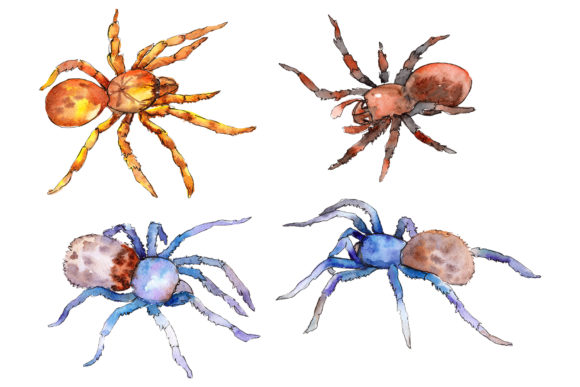
The first thing I noticed about Animal World Tarantula Watercolor is its distinct aesthetic. It’s not your typical stock illustration; instead, it feels hand-drawn and authentic. The watercolor technique gives it a gentle, whimsical edge, which makes it especially appealing for projects targeting audiences who appreciate artisanal, nature-inspired, or educational themes. This could be perfect for a handmade business creating educational materials, a small brand launching a wildlife-themed product line, or even a boutique publishing house designing children's books about exotic animals.
Its visual mood leans toward curiosity and creativity. While tarantulas might not be everyone’s favorite creature, the illustration softens the subject, making it more approachable and less intimidating. That subtle shift in tone can be powerful when building brand identity around nature or science communication. The colors are muted but rich, with visible brushstrokes adding depth and texture. These qualities make it stand out from flat vector illustrations commonly found in generic clipart collections.
How It Performs in Real Design Applications
I tested Animal World Tarantula Watercolor in several real-world scenarios to gauge its versatility and effectiveness. Here’s how it held up:
- Logo Design: While it wouldn’t work as a standalone logo, it can serve as a supporting element in a larger emblem. Think of a natural history museum or an educational toy brand where this illustration adds thematic interest without overwhelming the typography.
- Brand Identity: The illustration fits well into a brand guide focused on eco-friendly, scientific, or adventure-based themes. Its style complements handwritten fonts and earthy palettes, reinforcing a sense of authenticity and craftsmanship.
- Product Labels & Packaging Design: Used as a decorative accent on product labels, it enhances the storytelling aspect of packaging. Especially useful for items like insect enclosures, educational kits, or themed stationery.
- Posters and Flyers: In large format designs, the illustration shines. Whether used as a hero image in a poster promoting a local zoo event or as part of a flyer for a bug-themed workshop, it adds visual intrigue and helps create a memorable impression.
- Sticker Design and Merchandise: For Cricut users and print-on-demand sellers, this illustration works well as a sticker or printed on t-shirts, tote bags, and mugs. Its detail level is just right for medium-sized prints, and the file formats support crisp output when scaled properly.
- Social Media Graphics: On platforms like Instagram or Pinterest, the illustration can anchor a post for a seasonal campaign or blog about exotic pets. Paired with clean layouts and bold headlines, it brings warmth and personality to digital ads and editorial content.
- Editorial and Web Design: As part of a blog header or infographic, it supports a creative narrative while maintaining enough subtlety to avoid cluttering the design. Just be cautious with low-contrast color schemes — some adjustments may be needed to ensure legibility.
Best Uses: Large Layout Areas and Themed Collections
This design asset performs best when given space to breathe. Because of its watercolor texture and intricate details, it thrives in large layout areas such as posters, banners, and product mockups. It also blends beautifully into themed collections, whether you're curating a design bundle for a creative marketplace or developing a series of printable wall art for a home décor line.
For commercial design projects, it’s ideal as a supporting element rather than the focal point. When layered over solid backgrounds or subtly integrated into a hero graphic, it enhances the visual appeal without distracting from key messaging. It can add a touch of uniqueness to invitations, editorial spreads, or even packaging details for niche brands looking to differentiate themselves in a crowded market.
Cautious Use: Small Sizes and Minimalist Concepts
While Animal World Tarantula Watercolor is visually engaging, there are limitations to consider. At smaller sizes, such as icons or micro-designs for mobile interfaces, the watercolor texture becomes pixelated and loses clarity. If you're planning to use it in tight grids or alongside very clean sans-serif typefaces, it might clash with the minimalist vibe.
Also, if your client is aiming for a highly professional corporate look — think finance, law, or tech industries — this illustration may not align with their desired tone. However, for lifestyle brands, educational startups, or Etsy shops specializing in handmade goods, it can be a standout feature.
Design Notes for Commercial Use
Before using Animal World Tarantula Watercolor in any commercial design project, here are some practical considerations:
- Test in Black and White: Watercolor illustrations often rely on color for depth. Converting it to grayscale revealed that the contrast remains readable, though the visual impact is slightly reduced. This is important if your project involves black-and-white printing or accessibility concerns.
- Check Contrast on Light and Dark Backgrounds: The illustration works better on lighter backgrounds due to its muted tones. Against dark ones, it can appear washed out unless you adjust the opacity or layer it with a subtle shadow effect.
- Preview at Small and Large Sizes: I resized it to fit both a mug label and a full-page poster. The larger version retained its charm and detail, while the smaller one became less clear. Always verify how it scales before finalizing print or digital specs.
- Place on Real Mockups: To see how it looks in context, I added it to a few product mockups — including a t-shirt, a greeting card, and a coffee cup. The results were promising, especially when paired with other botanical or animal illustrations in a cohesive collection.
- Test Print Quality: Printed at 300dpi, the illustration held up well on paper. But for high-end merchandise, consider using SVG or EPS files to maintain crispness, particularly for white-label or sublimation design applications.
- Review File Formats: The illustration comes in PNG and SVG formats, which is great for designers needing flexibility. The PNG has transparency, allowing easy overlay on different surfaces, while the SVG enables precise editing and scaling.
- Compare with Font Styles: I experimented with pairing it with various typefaces — from serif to script and display styles. It worked most harmoniously with cursive or handwritten fonts, reinforcing the organic, artistic feel of the piece.
- Confirm Commercial Licensing: As with all design assets, it’s essential to check the commercial license terms. Ensure it allows use for client projects, reselling, and print-on-demand purposes to avoid legal complications later.
Why This Asset Adds Value to Your Design Toolkit
In today’s competitive design landscape, standing out requires thoughtful choices. Animal World Tarantula Watercolor offers a unique visual language that can elevate a project from ordinary to exceptional. Its soft edges and naturalistic rendering help create emotional appeal, especially in campaigns aimed at younger audiences or those seeking to build a connection through storytelling.
From a visual hierarchy perspective, it should never overpower the main message. Instead, use it strategically to highlight sections or break up long blocks of text. Its presence can boost engagement by sparking curiosity and encouraging closer inspection — a valuable trait for social media posts or product pages where attention is fleeting.
For small business branding, this illustration can contribute to a cohesive set of graphic design assets. Pair it with similar watercolor elements (like leaves, insects, or jungle motifs) to form a design bundle that reflects a shared aesthetic. This kind of consistency is crucial for building brand recognition and visual trust with customers.
Final Thoughts for Designers and Brand Owners
Animal World Tarantula Watercolor isn’t a one-size-fits-all solution, but when used correctly, it can become a meaningful part of a broader creative strategy. It’s particularly effective in illustrations for educational or entertainment-focused brands. Whether you're crafting a Canva template for a client or designing a series of printable designs for an Etsy shop, this asset brings a personal, artistic touch that resonates with modern audiences.
If you’re considering using it in a commercial design project, remember to test its adaptability across different platforms and formats. With the right treatment, Animal World Tarantula Watercolor can enhance your design work and leave a lasting impression — just like the best graphic design assets do.