Animal Panda Watercolor: A Versatile Illustration for Digital Sellers
As an experienced digital product creator who frequently sources and tests design assets for online shops, I recently came across the Animal Panda Watercolor illustration. This graphic design asset immediately caught my eye with its soft, hand-painted look that feels both whimsical and refined. In this review, I’ll walk through how I evaluate such designs from a commercial perspective—what makes them sellable, what products they fit best, and what pitfalls to watch out for.
First Impressions: The Mood and Niche Appeal of Animal Panda Watercolor
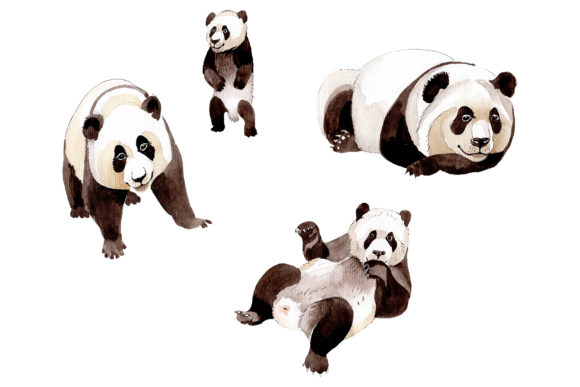
The Animal Panda Watercolor has a distinct visual personality that leans into the handmade aesthetic, which is currently very popular in creative marketplaces like Etsy and Creative Fabrica. It’s not just a cute panda—it's a carefully crafted illustration that exudes warmth and charm. The watercolor texture adds depth without being overly busy, making it ideal for those who want a premium yet approachable feel in their designs.
This kind of illustration appeals to a broad audience but particularly resonates with parents, educators, animal lovers, and small business owners looking to add a touch of nature or playfulness to their branding. Its style is also well-suited for seasonal collections, especially around holidays like Earth Day or New Year themes where nature and animals are relevant.
Visual Style and Audience Attraction
- Playful and Cute: Perfect for children-related products or playful branding.
- Elegant and Soft: Fits well in minimalist or bohemian aesthetics.
- Handmade Feel: Appeals to buyers seeking authenticity and artisanal touches.
- Commercially Viable: Can be adapted across multiple platforms and product types.
Testing the Asset Across Sellable Products
Before publishing any listing, I always test an illustration on various product mockups to gauge its versatility. Here’s how Animal Panda Watercolor performed in different scenarios:
SVG and PNG Design Applications
I tried placing the panda on SVG-based Cricut projects and PNG cutouts for t-shirt graphics. The soft edges and detailed brushstrokes held up well when scaled down for smaller items like stickers or greeting cards. However, for precise cutting (especially with Silhouette machines), I recommend inspecting the vector paths closely to ensure there aren’t any overlapping lines or intricate details that could cause issues during the cut process.
Print-on-Demand and Merchandise Graphics
For print-on-demand sellers, I tested the design on mockups for mugs, tote bags, and tumblers. The panda looked great on light-colored backgrounds, maintaining clarity and color fidelity. On darker substrates, though, some of the lighter watercolor tones faded slightly, so it’s important to check how it appears against black or navy bases before finalizing listings.
Canva Templates and Social Media Promos
When used as a background element or accent in Canva templates, the illustration added a nice decorative flair. It worked especially well in blog headers, social media banners, and promotional visuals for eco-friendly brands. I found that pairing it with a clean sans serif font helped balance the organic look of the watercolor.
Planner Stickers and Scrapbooking Kits
One standout use was in planner stickers. The panda’s gentle colors and rounded shapes gave the stickers a friendly and cohesive appearance. For scrapbooking kits, it blended beautifully with floral and leafy elements, enhancing the overall handmade vibe of the collection.
Product Presentation and Marketplace Optimization
Strong thumbnails and clear product previews are key to success in any creative marketplace. When I previewed the Animal Panda Watercolor as an Etsy product thumbnail, it stood out for its soft contrast and inviting composition. It’s the kind of image that draws the eye without overwhelming it—a big plus for increasing click-through rates.
Mockup Previews and Listing Images
Using high-quality mockups, I created sample images for wall art, phone cases, and notebooks. The panda illustration maintained its charm at large sizes, making it suitable for printable wall art and decorative layouts. For digital downloads, I made sure to include both white and dark background variations so customers could see how it adapts to different uses.
Design Bundles and Seasonal Collections
I considered bundling the panda with other animal illustrations in a “Wildlife Watercolor” set for spring or baby-themed bundles. The consistent line work and color palette allowed for easy integration with other similar assets, helping maintain brand consistency across a collection.
Perceived Value and Visual Storytelling
The illustration supports visual storytelling by evoking a sense of calm and connection to nature. That emotional resonance can help elevate your product’s perceived value, especially if you're targeting lifestyle or wellness niches. When paired with a thoughtful product description, this panda can become a flagship piece in your shop.
Where This Illustration Shines
After testing, here are the top areas where Animal Panda Watercolor performs best:
- Large Product Previews: Ideal for posters, canvas prints, or framed artwork.
- Themed Bundles: Works well in nature, wildlife, or child-friendly design sets.
- Decorative Layouts: Adds character to backgrounds, borders, and pattern repeats.
- Printable Products: Looks great on calendars, planners, and DIY craft sheets.
- Social Media Graphics: Enhances posts with a soft, artistic touch.
- Merchandise Graphics: Suitable for apparel, home goods, and accessories.
- Creative Marketplace Listings: Increases professionalism and appeal on Etsy and Shopify.
Where Caution Is Needed
While the Animal Panda Watercolor is versatile, it does have some limitations depending on the application. Here are a few areas where careful consideration is needed:
- Tiny Sticker Details: The watercolor texture may lose clarity at very small sizes.
- Overly Complex Layouts: Use it sparingly in layered designs to avoid clutter.
- Low-Resolution Prints: Ensure the file resolution is appropriate for print quality.
- Crowded Thumbnails: Avoid using it in too many layers or over-busy compositions.
- Dark Backgrounds: Consider adding a subtle white outline or adjusting brightness levels.
- Text-Heavy Templates: Don’t let the illustration overpower important text elements.
- Cutting Precision Needs: Inspect SVG files for clean, non-overlapping cut lines.
Practical Seller Notes and Best Practices
Here are a few things I always check when integrating a new graphic design asset into my product catalog:
- Test on Real Mockups: See how it looks on actual product representations before publishing.
- Check Thumbnail Appeal: Resize it to marketplace thumbnail dimensions to ensure visibility.
- Verify File Resolution: Confirm that PNGs and JPEGs are at least 300dpi for print use.
- Confirm Commercial License: Make sure you’re legally allowed to use it in all intended ways.
- Pair With Fonts: Try combining with serif, script, and handwritten fonts to enhance readability and style.
- Organize Files Clearly: Name your layers and provide instructions in digital download packages.
- Inspect Transparency: If selling PNGs, ensure the transparent background is clean and doesn’t bleed.
Final Thoughts: A Thoughtful Addition to Your Design Toolkit
In summary, Animal Panda Watercolor is a solid addition to any digital seller’s illustration library. It brings a natural, artistic flair that can elevate everything from printable designs to clipart bundles. While it’s not a one-size-fits-all solution, its adaptability across formats and platforms makes it a valuable tool for creators aiming to build a cohesive and appealing product lineup.
If you’re planning a seasonal collection or need a reliable commercial design for printables, merchandise, or Canva templates, this illustration is worth considering. Just remember to test it thoroughly and adjust based on your target audience and platform requirements. With the right approach, Animal Panda Watercolor can help your digital products stand out in a competitive marketplace.